
The question of whether a taxi or a rideshare app is cheaper has no single answer — it depends entirely on the time of day, the distance, and the demand at the moment you request the ride. But once you understand how each one prices a trip, the comparison becomes much easier to make.
How a traditional taxi prices your ride
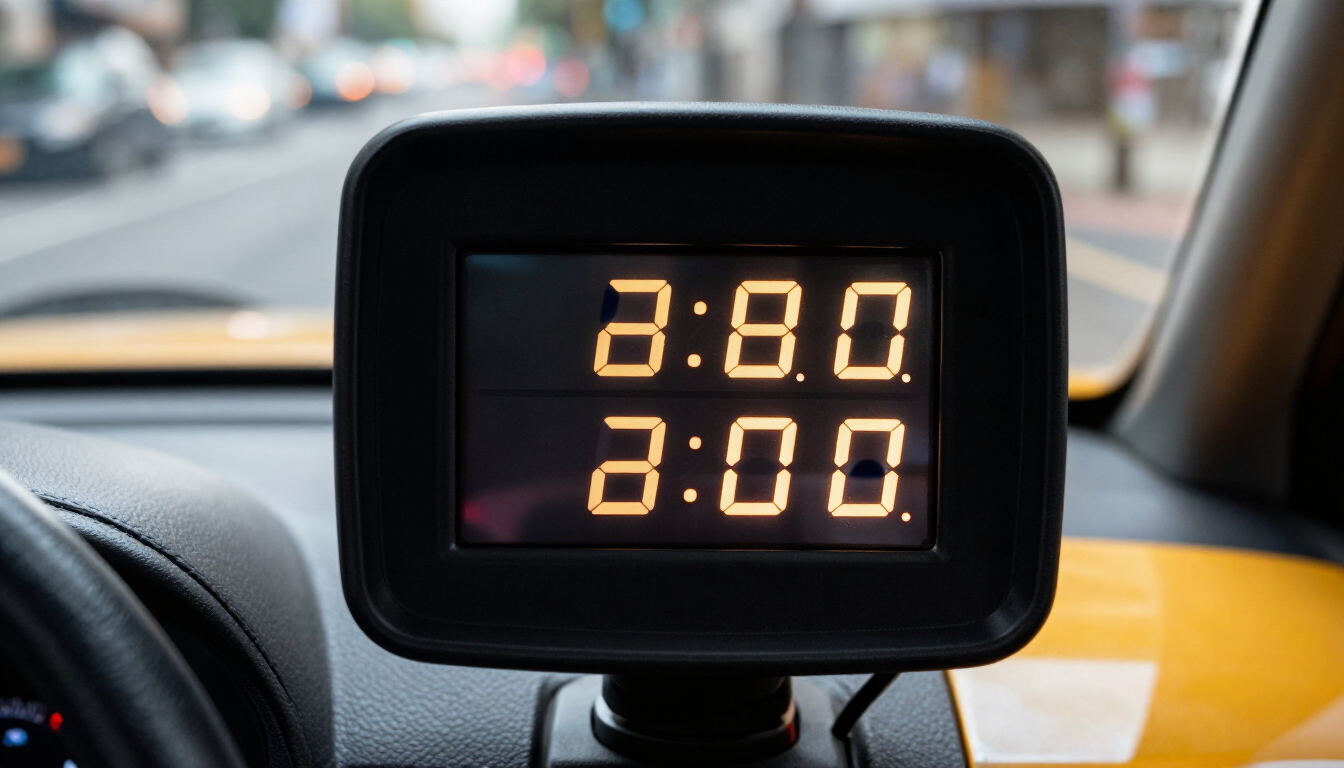
A licensed taxi charges a regulated metered fare: a fixed base fare plus distance and time rates set by the local taxi commission. These rates are public, predictable, and do not change based on demand. If it is raining, rush hour, or a holiday, the meter still uses the same rates — though night surcharges or peak-time add-ons may apply in some cities.
How rideshare apps price your ride
Rideshare platforms like Uber and Lyft use dynamic pricing. When demand is high, a surge multiplier is applied to the base price, sometimes doubling or tripling the normal fare. The upside is an upfront quote: you see the total before you confirm. The downside is that the same trip can cost very different amounts at 9 AM and 9 PM on the same day.
A practical way to compare them
Open the cab calculator and enter your trip distance, estimated time, and the local taxi rates for your city. That gives you the regulated metered fare. Then open your rideshare app and check the upfront quote for the same route. If the rideshare quote is lower, book it. If it is higher — which often happens during surge — a street taxi or a dispatched cab will usually be the cheaper choice.
The calculator includes a surge multiplier field precisely for this reason. Set it to 1.0 for a normal taxi fare, or raise it to match the surge shown in your rideshare app, and you can compare both pricing models side by side using the same trip details.
Estimate your own fare
Put these tips to work — calculate your next taxi fare in seconds with our free cab calculator.
Open the calculator